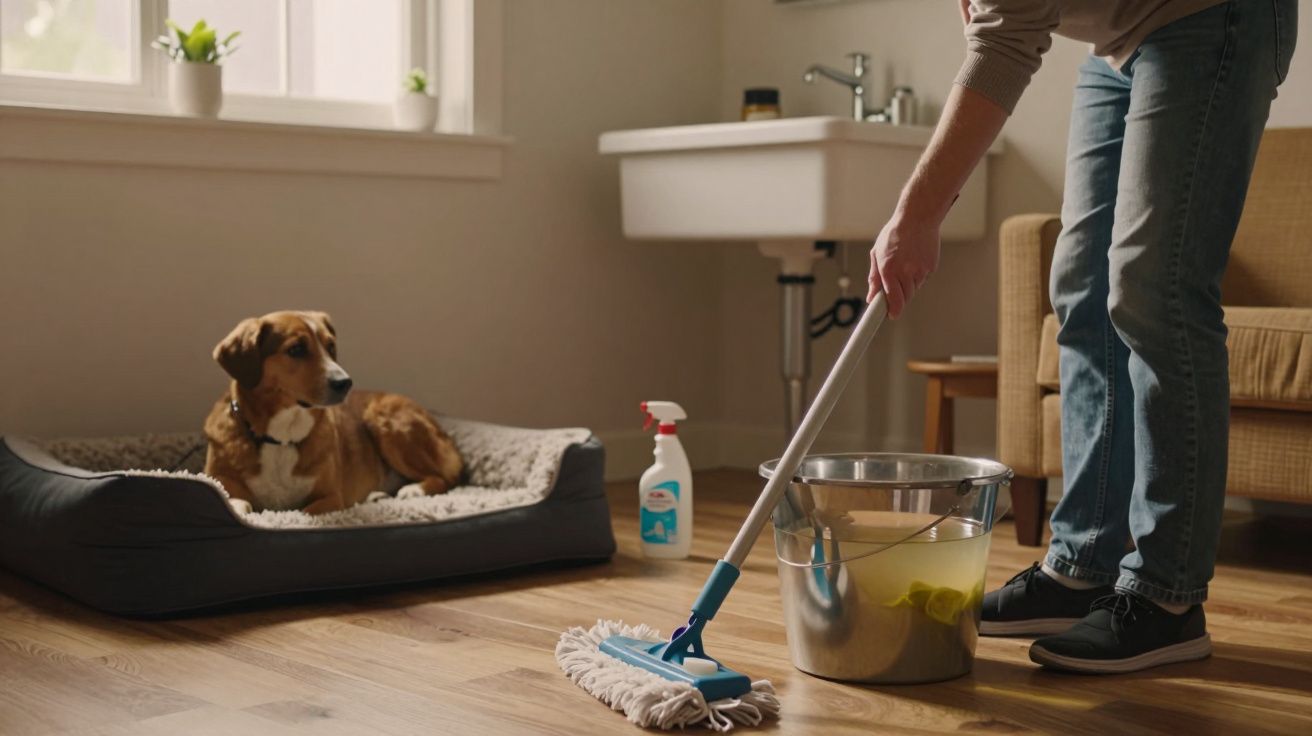
The mop bucket sloshed across the tiles, leaving that sharp, “clean hospital” smell hanging in the hallway. Ten minutes later, the dog padded through, paws damp, nose to the ground, doing exactly what dogs do with anything new: investigating with tongue and skin, not just eyes.
By early evening he was drooling, restless, and licking his paws until the fur clumped. The family thought back over his day: no new food, no bin-raiding, no garden plants chewed. At the out‑of‑hours clinic, the vet asked a question they hadn’t expected:
“What did you clean your floors with today?”
They named the brand, proud of how “disinfected” the house had been since getting a puppy. The vet sighed, not at them, but at the bottle.
In homes with pets, one type of floor cleaner causes far more trouble than most people realise. The good news is that you can swap it for a simple homemade mix that cleans just as well, without turning your living room into a hazard zone for paws and whiskers.
The bottle vets dread in pet homes
The product many vets quietly dread finding under the sink is the strong, phenol‑based disinfectant floor cleaner – often a dark brown or green liquid with a pine, “antiseptic” or hospital smell.
Think of the classic multi‑purpose disinfectants you pour into a bucket “for extra germ kill”. They are effective on bacteria. They are also not designed for bodies that spend their lives inches from the floor.
Phenolic disinfectants and some heavy-duty “antibacterial” floor cleaners:
- Can burn or irritate the skin on paws and bellies.
- Leave residues that cling to fur and pads long after the surface looks dry.
- Are particularly dangerous for cats, whose livers struggle to break down phenolic compounds.
If a label mentions phenol, phenolic disinfectant, coal tar acid, cresol or carries a “do not use around cats” warning, vets will tell you plainly: keep it off your floors.
Cats walk, sit, then lick. Dogs lick paws and sleep with noses pressed to the boards. A cleaner that’s safe for a boot sole isn’t automatically safe for a tongue.
Why this cleaner is so harsh on animals
From a pet’s point of view, your floor is not a flat, distant surface. It’s a bed, a dinner table, a playground and a grooming parlour all in one.
Phenol‑heavy disinfectants and some concentrated essential‑oil blends can cause problems in three ways:
- Contact: Red, sore pads, peeling skin, limping, or pets suddenly refusing certain rooms.
- Ingestion: Drooling, vomiting, loss of appetite, quietness or agitation after a big cleaning session.
- Fumes: Coughing, wheezing, watery eyes, especially in small, poorly ventilated spaces.
Cats are at special risk. They lack key liver enzymes to process phenols, so what looks like a small exposure can build up into liver damage over time. Kittens, elderly pets, and animals with asthma or heart disease have even less margin for error.
You might never connect a bout of vomiting or a flare of itchy paws with a product you proudly chose because it promised “99.9% germ kill”. But vets see the pattern. Floors mopped, pets sick, lab tests clean, mystery persists – until someone asks about the bucket.
The safe homemade alternative vets are happy to see
Most day‑to‑day grime does not need hospital‑grade chemistry. Mud, light kitchen spills, and general paw traffic will come off with a mild, diluted cleaner and a damp mop, especially if you keep on top of it.
A simple, vet‑friendly homemade mix for sealed hard floors (tiles, vinyl, sealed laminate, sealed wood) looks like this:
- Warm water
- White distilled vinegar
- A tiny amount of mild, unscented washing‑up liquid
It doesn’t smell like a pine forest. It does leave floors clean, low‑residue and much kinder to paws.
The aim isn’t to sterilise your home. It’s to remove dirt and everyday germs without adding something more dangerous than the mess you’re wiping up.
Step‑by‑step: a pet‑safe floor wash
For a standard mop bucket (about 5 litres):
- Fill with warm, not hot water.
- Add ½ cup (120 ml) white vinegar.
- Add just 2–3 drops of mild, fragrance‑free washing‑up liquid.
- Mix gently to avoid a mountain of bubbles.
- Mop as usual, well‑wrung, so the floor is damp rather than swimming.
- Let it air‑dry fully before inviting pets back into the room.
A few key points:
- Do not add essential oils, even “pet friendly” ones, unless your own vet has specifically okayed them. Tea tree, eucalyptus, citrus and some “natural” oils can be toxic to pets.
- Rinse the mop head well afterwards so residue doesn’t build up and go sticky.
- For visible muddy pawprints, you can go over high‑traffic areas twice rather than making the solution stronger.
This mix cuts grease, lifts most everyday dirt, and evaporates cleanly. The light vinegar smell fades quickly, especially if you crack a window.
Choosing the right mix for your floor type
Not all floors like the same treatment. A quick guide:
| Floor type | Safe homemade approach | Avoid |
|---|---|---|
| Tiles, vinyl | Water + vinegar + 2–3 drops detergent | Bleach, phenols, strong acids |
| Sealed wood/laminate | More water, less vinegar (¼ cup per bucket); well‑wrung mop | Soaking, steam mops on high, waxy polishes pets can slip on |
| Natural stone (marble, limestone, travertine) | Warm water + a few drops mild detergent only | Vinegar, lemon, any acid cleaners |
If you’re not sure your floor is sealed, check with the installer or test a hidden corner first. When in doubt, use plain warm water and a tiny amount of mild detergent, then dry quickly.
When you really do need to disinfect
There are times when simple cleaning isn’t enough: a dog with diarrhoea, a cat with ringworm, or a contagious illness in the household. In those cases:
- Ask your vet for a pet‑safe disinfectant recommendation and exact dilution.
- Follow contact times – many products need several minutes on the surface to work.
- Keep pets completely out until the floor is rinsed (if required) and fully dry.
- Ventilate well; open windows and doors where you can.
Some veterinary‑grade products are formulated to be safer around animals when used correctly. The danger often lies less in the ingredient list and more in “if a bit is good, a lot must be better” thinking.
Quick comparison of common floor cleaners
| Cleaner type | Risk for pets | Notes |
|---|---|---|
| Phenol‑based disinfectant | High, especially for cats | Avoid on household floors |
| Strong bleach solutions | Moderate–high (skin, lungs) | Only for spot jobs; rinse and dry thoroughly |
| Mild DIY vinegar/water mix | Low for most pets on sealed floors | Avoid vinegar on natural stone |
Whatever you use, the golden rule is the same: if you wouldn’t be happy with it on your own skin all day, don’t leave it on theirs.
Everyday habits that quietly protect your pet
Small shifts in routine spare you panicked vet visits and your pet a lot of discomfort:
- Mop when pets are out or in another room, and block doorways until floors are bone dry.
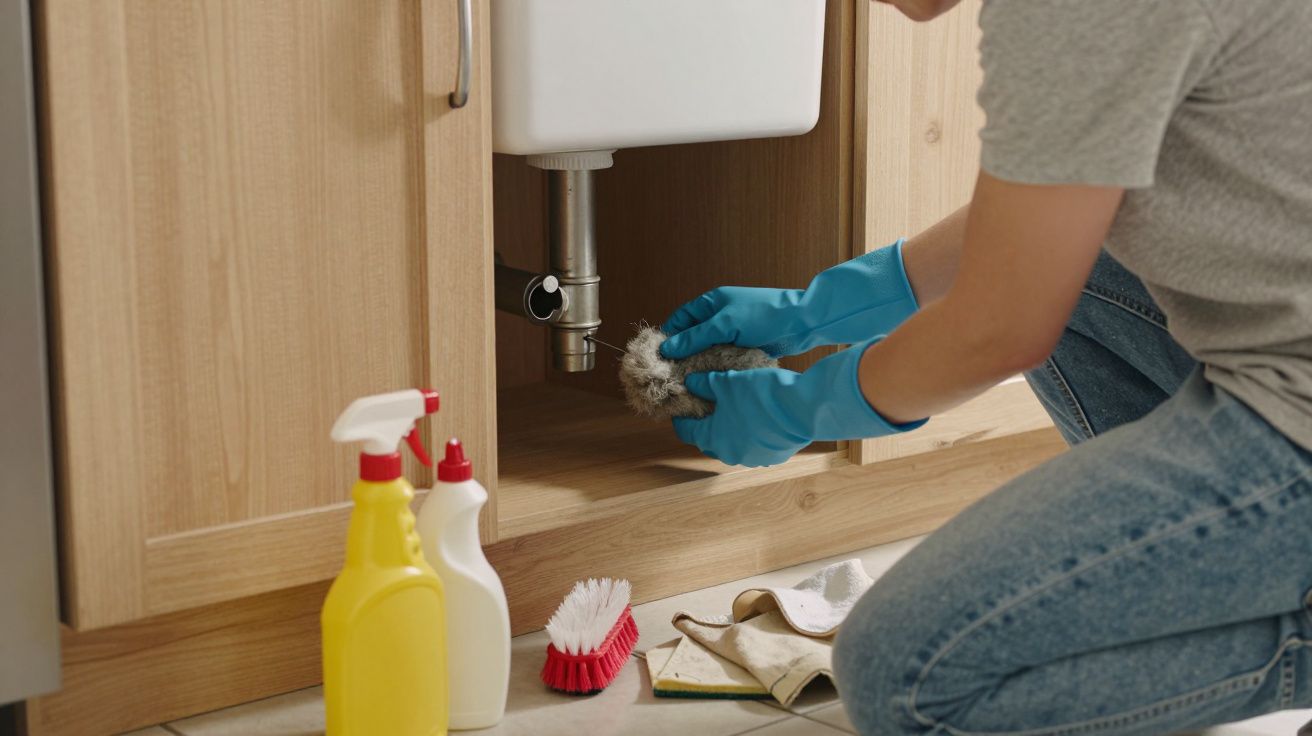
- Store all cleaners in closed cupboards, not on open shelves where curious noses can knock them over.
- Use microfibre cloths and hot water first, reserving detergents for when they’re genuinely needed.
- Wipe up accidents with paper towels, then clean, rather than soaking the whole floor in heavy chemicals.
- Watch for subtle signs: paw licking, sudden floor avoidance, or coughing after cleaning sessions are all clues.
A home can be clean without smelling like a surgical theatre. For your dog or cat, “clean enough” with gentle products is often far safer than “germ‑free” with harsh ones.
FAQ:
- Is all bleach unsafe for pets? Very strong or undiluted bleach is risky; it can burn skin, paws, and mouths, and fumes irritate lungs. If you must use it for a specific mess, dilute exactly as directed, rinse the area with clean water afterwards, and keep pets away until completely dry and aired.
- Are “natural” or essential‑oil cleaners safer? Not automatically. Tea tree, eucalyptus, clove, citrus and some pine oils can be toxic to cats and dogs, especially in concentrated products. “Natural” on the label doesn’t mean “pet‑safe”.
- Will vinegar damage my floors? Vinegar is fine in small amounts on sealed tiles, vinyl and many sealed woods, but it can etch natural stone like marble or limestone. If you have stone floors, skip the vinegar and use warm water with a touch of mild detergent instead.
- How often should I wash floors in a home with pets? For most households, a light mop once a week in high‑traffic areas, plus quick spot‑cleaning of spills and muddy patches, is plenty. Over‑cleaning with harsh products does more harm than a bit of everyday dust.
- What if my pet has already walked on a strong disinfectant? Rinse paws gently with lukewarm water, pat dry, and prevent licking if you can. If you see redness, drooling, vomiting, weakness, or unusual behaviour, call your vet or a poison helpline immediately with the product name and ingredients.

Comments (0)
No comments yet. Be the first to comment!
Leave a Comment